
Welcome to Navarro Construction, your trusted partner for home renovations in West Valley, Utah. Embarking on a home renovation journey is both exciting and daunting. Whether you're updating a single room or undertaking a whole-house makeover, careful planning and professional guidance are crucial to achieving your dream home. In this comprehensive guide, we'll walk you through the essential steps of a successful home renovation project, offering expert tips and insights from Navarro Construction. Let's get started on transforming your living space into the home you've always envisioned.
1. Planning Your Renovation
a. Define Your Goals
The first step in any renovation project is to define your goals. Consider the following questions:
- What do you want to achieve? Are you looking to update the style, improve functionality, increase space, or enhance energy efficiency?
- Which areas of your home need renovation? Identify the rooms or features that require the most attention.
- What is your budget? Establish a realistic budget that covers all aspects of the project, including materials, labor, and unexpected expenses.
b. Create a Wish List
Make a wish list of all the changes you'd like to see in your home. Prioritize these items based on importance and feasibility. This list will help you stay focused and organized throughout the renovation process.
c. Research and Gather Inspiration
Research design ideas and gather inspiration from various sources:
- Magazines and Online Platforms: Browse home improvement magazines, websites, and social media platforms like Pinterest and Instagram for design ideas.
- Home Improvement Shows: Watch home renovation TV shows for practical tips and inspiration.
- Local Homes: Take note of design elements you admire in other homes in your neighborhood.
2. Setting a Realistic Budget
a. Estimate Costs
Work with a professional contractor like Navarro Construction to get accurate cost estimates for your renovation project. Consider the following factors:
- Materials: High-quality materials may have a higher upfront cost but offer long-term value.
- Labor: Skilled labor is essential for a successful renovation. Ensure your contractor is experienced and reputable.
- Permits: Depending on the scope of your project, you may need permits from local authorities. Factor these into your budget.
- Contingency Fund: Set aside 10-20% of your budget for unexpected expenses or changes during the renovation.
b. Financing Your Renovation
Explore financing options to fund your renovation:
- Savings: Using personal savings is the most straightforward way to finance your project.
- Home Equity Loan: Borrow against the equity in your home at a relatively low-interest rate.
- Personal Loan: Unsecured loans can be used for home renovations, but typically have higher interest rates.
- Credit Cards: Use with caution, as high-interest rates can lead to increased debt.
3. Hiring the Right Contractor
a. Research and Recommendations
Start by researching local contractors and asking for recommendations from friends, family, and neighbors. Look for contractors with:
- Experience: Choose a contractor with experience in projects similar to yours.
- Reputation: Check online reviews and testimonials from previous clients.
- Credentials: Ensure the contractor is licensed, insured, and bonded.
b. Interview Multiple Contractors
Interview at least three contractors to compare their proposals, timelines, and costs. Ask the following questions:
- How long have you been in business?
- Can you provide references from past clients?
- What is your estimated timeline for this project?
- Do you handle permits and inspections?
- What is your payment schedule?
c. Review Contracts Carefully
Once you've chosen a contractor, review the contract carefully before signing. Ensure it includes:
- Detailed Scope of Work: A clear description of the work to be performed.
- Materials: Specifications for materials, including brands and quantities.
- Timeline: Start and completion dates, along with any milestones.
- Payment Schedule: Agreed-upon payment terms and schedule.
- Warranty: Information about warranties on work and materials.
4. Design and Planning
a. Work with a Designer
Collaborating with an interior designer can help you achieve a cohesive and functional design. A designer can assist with:
- Space Planning: Optimizing the layout for functionality and flow.
- Material Selection: Choosing the right materials and finishes for your style and budget.
- Color Schemes: Creating a harmonious color palette that enhances your space.
b. Create Detailed Plans
Develop detailed plans and blueprints for your renovation project. These should include:
- Floor Plans: Layout of the space with dimensions and furniture placement.
- Elevation Drawings: Detailed views of walls, cabinetry, and fixtures.
- Electrical and Plumbing Plans: Locations of outlets, switches, and plumbing fixtures.
c. Obtain Necessary Permits
Work with your contractor to obtain any required permits from local authorities. This ensures your renovation complies with building codes and regulations.
5. Execution and Project Management
a. Prepare Your Home
Before construction begins, prepare your home for the renovation process:
- Clear the Area: Remove furniture, personal items, and decor from the renovation zone.
- Protect Surfaces: Use drop cloths and plastic sheeting to protect floors, walls, and adjacent areas.
- Set Up Temporary Spaces: Create temporary living spaces if essential areas like kitchens or bathrooms are being renovated.
b. Communicate with Your Contractor
Maintain open and regular communication with your contractor throughout the project. Schedule weekly check-ins to discuss progress, address concerns, and make any necessary adjustments.
c. Monitor Progress
Regularly inspect the work being done to ensure it meets your expectations and the agreed-upon plans. Take note of any issues and address them promptly with your contractor.
6. Finishing Touches
a. Final Inspections
Conduct a final inspection with your contractor to ensure all work is completed to your satisfaction. Address any remaining issues or touch-ups before making the final payment.
b. Decor and Furnishing
Once construction is complete, focus on decorating and furnishing your newly renovated space:
- Furniture Placement: Arrange furniture to maximize space and functionality.
- Decor: Add personal touches like artwork, rugs, and accessories to enhance the aesthetic.
- Lighting: Install appropriate lighting to highlight key areas and create ambiance.
c. Maintenance and Care
Maintain your renovated space to keep it looking fresh and functional:
- Regular Cleaning: Keep surfaces clean and free of dust and debris.
- Routine Maintenance: Perform routine maintenance on systems like HVAC, plumbing, and electrical.
- Address Issues Promptly: Fix any minor issues before they become major problems.
Conclusion: Start Your Renovation Journey with Navarro Construction
Embarking on a home renovation journey is an exciting opportunity to transform your living space into the home of your dreams. By following the essential tips and steps outlined in this guide, you can ensure a smooth and successful renovation process. At Navarro Construction, we are dedicated to providing homeowners in West Valley, Utah, with top-quality materials, skilled craftsmanship, and exceptional customer service. Whether you're planning a small update or a major renovation, our experienced team is here to help you every step of the way.
Contact Navarro Construction today to start your home renovation journey. Let's work together to create a beautiful, functional, and comfortable living space that you and your family will enjoy for years to come. Happy renovating!

Living in West Valley, Utah, means soaking up the sunshine and enjoying the beautiful outdoors. What better way to do that than with a deck in your own backyard? But building a deck can seem like a pricey endeavor. Don't worry, West Valley residents! Here are some tips to help you build your dream deck on a budget:
Planning is Key:
- Define Your Needs: Before diving in, clearly define what you'll use the deck for. Will it be for entertaining large groups, family BBQs, or a quiet morning coffee spot? Knowing this will help determine the size and design, impacting material costs.
- DIY vs. Hire a Contractor: Building a deck yourself can save a significant amount. However, be honest about your skills and the complexity of your design. For intricate designs or safety concerns, consider hiring a licensed contractor.
Material Matters:
- Treated Lumber vs. Composites: Pressure-treated lumber is a classic choice, but it requires regular staining and sealing. Composite materials are lower maintenance but come at a higher price upfront. Consider a balance between your budget and willingness to maintain the deck.
- Shop Around: Lumber prices can fluctuate. Get quotes from multiple lumberyards in West Valley to find the best deal. Consider reclaimed wood from salvage yards for a unique and potentially cheaper option, though quality and size variations may exist.
Design Decisions:
- Simple is Smart: Complex designs with multiple levels, curves, or built-in features will require more material and labor, driving up the cost. Opt for a clean, rectangular design and adjust the size to fit your needs.
- Think Railings: While railings add safety and style, they can also be expensive. Consider using them only where absolutely necessary, or explore cable railings, which are generally less expensive than traditional post and baluster styles.
West Valley Bonus Tips:
- Permits and Inspections: Building a deck often requires permits from the city. Factor in permit costs when budgeting.
- Get Creative with Seating: Built-in benches are lovely, but expensive. Instead, consider movable benches, chairs, or ottomans for a more budget-friendly option.
- Deck it Out Later: Don't feel pressured to add all the bells and whistles upfront. Install the base deck first, and then add features like planters, awnings, or lighting later as your budget allows.
By following these tips, you can build a beautiful and functional deck in your West Valley home without breaking the bank. Remember, a little planning and smart material choices can go a long way. With some elbow grease or by working with a contractor who understands your budget, you'll be enjoying your backyard oasis in no time!

The walls are the backbone of any home, literally! Wall framing is the process of constructing the skeleton of your walls, providing the foundation for everything that comes after - insulation, electrical wiring, drywall, and ultimately, your beautiful finished walls. But what exactly goes into wall framing? Let's delve into the key components and techniques that ensure strong, secure walls for your home.
The Building Blocks:
- Studs: The vertical supports of your wall, typically made from dimensional lumber (2x4s, 2x6s) and spaced at regular intervals (usually 16 or 24 inches on center). Studs carry the weight of the roof and upper floors.
- Top and Bottom Plates: These horizontal boards run along the top and bottom of the wall, connecting the studs and providing a nailing surface for other framing components. Double top plates are often used for increased strength.
- Cripple Studs: Shorter pieces of lumber used to frame around window and door openings, providing support for the header (see below).
- Bracing: Diagonal lumber elements like knee braces and X-braces are installed to prevent racking (walls swaying from side to side) and ensure stability.
Building the Wall:
- Layout and Marking: The location and spacing of studs, plates, and openings are marked on the foundation.
- Cutting and Assembly: Studs and plates are cut to size and nailed together to form the basic wall frame.
- Cripple Studs and Openings: Cripple studs are installed around rough window and door openings, which are framed to the appropriate size for the specific window or door unit.
- Bracing: Braces are strategically placed throughout the wall to provide lateral stability.
- Double Checking: Walls are checked for plumb (vertical) and square (90-degree corners) before being secured to the foundation.
Beyond the Basics:
- Header Installation: Strong headers are installed above windows and doors to support the weight above the opening. Headers are typically constructed from doubled or tripled studs or engineered wood products.
- Fire Blocking: Solid blocking is installed between studs at specific locations to impede the spread of fire within the wall cavity.
- Communication Channels: Holes are drilled through studs to allow for electrical wires and plumbing pipes to run through the walls.
Understanding wall framing techniques empowers you to appreciate the intricate work that goes into building a strong and safe home. By using high-quality materials and following proper construction methods, framers ensure your walls will stand the test of time.
In future posts, we will delve deeper into specific aspects of wall framing, such as header construction and various bracing techniques. Stay tuned!

Imagine your house as a body. The framing is the skeleton – the unseen but crucial structure that provides support and stability for everything else. As a homeowner, understanding the basics of framing can empower you to appreciate the work that goes into your home and make informed decisions during renovations or repairs.
The Framing Fundamentals:
- The Framework: Walls are built using vertical studs (typically 2x4s or 2x6s) spaced at regular intervals and connected by top and bottom plates. These create a grid that supports the weight of the roof and upper floors.
- Strength and Stability: Braces are diagonal supports that prevent the walls from swaying (racking). Headers, extra-strong beams, are installed above windows and doors to handle the weight above the opening.
- More Than Just Wood: While lumber is common, engineered wood products like oriented strand board (OSB) are becoming increasingly popular for wall sheathing due to their strength, uniformity, and insulation properties.
The Framing Benefits You Enjoy:
Proper framing translates to a safe and secure home:
- Structural Integrity: A well-framed house can withstand everyday stress and even extreme weather events.
- Energy Efficiency: Proper framing allows for effective insulation placement, reducing energy costs and creating a comfortable living environment.
- Plumbing and Electrical: The framing provides a channel for electrical wiring and plumbing pipes throughout the house.
Framing and Your Homeownership Journey:
Whether you're considering a major renovation or a small repair, knowing a little about framing can be beneficial:
- Renovation Projects: Understanding how framing works can help you communicate your vision more effectively with contractors and avoid hidden surprises during demolition.
- Spotting Issues: Visible cracks in walls or uneven floors might indicate framing problems. Early detection can prevent more extensive and expensive repairs later.
Remember, framing is a complex job best left to qualified professionals. But a basic understanding empowers you to ask informed questions, appreciate the craftsmanship behind your home, and make smart decisions for your future projects.
In future posts, we'll delve deeper into specific framing components and common homeowner concerns. Stay tuned to become a more informed homeowner!
https://www.facebook.com/v2.6/plugins/like.php?action=like&app_id=190291501407&channel=https%3A%2F%2Fstaticxx.facebook.com%2Fx%2Fconnect%2Fxd_arbiter%2F%3Fversion%3D46%23cb%3Df447e072209cb9a55%26domain%3Dwww.navarroconstructionutah.com%26is_canvas%3Dfalse%26origin%3Dhttps%253A%252F%252Fwww.navarroconstructionutah.com%252Ffd43d760e2de78393%26relation%3Dparent.parent&container_width=0&href=http%3A%2F%2Fwww.navarroconstructionutah.com%2F1%2Fpost%2F2024%2F06%2Fthe-invisible-bones-of-your-home-a-homeowners-guide-to-framing.html&layout=button_count&locale=en_US&sdk=joey&share=false&show_faces=false&width=90
https://platform.twitter.com/widgets/tweet_button.1227a5674072e080ffb1ba14ac0c1079.en.html#dnt=false&id=twitter-widget-9&lang=en&original_referer=https%3A%2F%2Fwww.navarroconstructionutah.com%2Fblog%2Fprevious%2F3&size=m&text=The%20Invisible%20Bones%20of%20Your%20Home%3A%20A%20Homeowner%27s%20Guide%20to%20Framing%20-%20NAVARRO%20CONSTRUCTION&time=1779168403308&type=share&url=http%3A%2F%2Fwww.navarroconstructionutah.com%2F1%2Fpost%2F2024%2F06%2Fthe-invisible-bones-of-your-home-a-homeowners-guide-to-framing.html

West Valley, Utah, boasts stunning scenery and a vibrant community. But let's face it, the weather here can be a bit unpredictable. From scorching summer sun to occasional downpours and even winter snow, your home needs to be ready for anything. That's where West Valley Framing steps in!
Here's how our expert framers ensure your dream home in West Valley is built to withstand the elements:
Building a Strong Foundation:
- Material Matters: We use high-quality, pressure-treated lumber for framing, specifically chosen for its resistance to moisture and insect damage – common concerns in our climate.
- Smart Sheathing Selection: We go beyond traditional plywood and consider advanced options like oriented strand board (OSB) for wall sheathing. OSB offers superior moisture resistance and can help prevent warping or rot.
Building a Weatherproof Envelope:
- Waterproofing Techniques: Our team utilizes industry-best practices for waterproofing the building envelope, including proper flashing installation around windows and doors and a water-resistant barrier behind the exterior siding.
- Ventilation is Key: Proper ventilation in your attic and crawl space (if applicable) is crucial. We ensure proper air circulation to prevent moisture buildup and potential mold growth.
Partnering for Long-Term Success:
- Local Expertise: Our framers understand the unique challenges of West Valley's weather patterns. We leverage this knowledge to build homes that can weather the storms, both literally and figuratively.
- Collaboration is Key: We work closely with other trades on your project – roofers, siders, and insulation installers – to ensure a cohesive and weatherproof building envelope.
Building a Secure Future:
By prioritizing weatherproofing practices during the framing stage, we invest in your home's long-term health. This translates to:
- Reduced Maintenance Costs: A properly weatherproofed home requires less ongoing maintenance to address moisture-related issues.
- Improved Energy Efficiency: A tight building envelope minimizes air leaks, leading to lower energy bills and a more comfortable living environment.
- Peace of Mind: Knowing your home is built to withstand the elements allows you to relax and enjoy your West Valley dream home with confidence.
Ready to build a weatherproof dream home in West Valley? Contact West Valley Framing today! Our team of experienced professionals is committed to crafting homes that are strong, beautiful, and ready for anything Mother Nature throws their way.

Do you crave a peaceful oasis in your noisy world? Thin walls letting in every sound from your neighbors, the street, or even inside your own home? You're not alone. Fortunately, achieving some tranquility is within reach with strategic use of drywall!
Drywall: More Than Just a Smooth Finish
While traditional drywall provides a perfect canvas for paint and finishes, it can also play a significant role in soundproofing your home. Here's how:
- Understanding Sound Transmission: Sound travels in waves, and drywall acts as a barrier. The denser and thicker the barrier, the less sound it transmits.
Boosting Your Drywall's Soundproofing Power:
- Double Up: Opt for double drywall construction. Two layers create a thicker barrier, significantly reducing sound transmission compared to a single layer.
- Material Matters: Consider using soundproofing drywall specifically designed for noise reduction. These drywall panels often contain dampening materials like mineral wool or soundproofing membranes to absorb sound waves.
- Seal the Leaks: Sound can sneak through even small gaps. Use acoustic sealant around penetrations like pipes and electrical wires to minimize sound leakage through these weak points.
Beyond the Drywall: Additional Strategies
- Studs and Insulation: The space between the studs in your walls can act as a sound pathway. Filling this cavity with dense insulation like rockwool further dampens sound.
- Resilient Channels: Adding resilient channels between the studs and drywall decouples the drywall from the studs, reducing vibration transfer and improving soundproofing.
Tailoring Your Soundproofing Solution:
- Identify Your Noise Concerns: Is it street noise, noisy neighbors, or sound traveling between rooms within your home? Understanding the source helps determine the most effective drywall and additional strategies.
Peace and Quiet Awaits:
By implementing these drywall solutions, you can significantly reduce noise intrusion and create a more peaceful haven in your home. Remember, consulting with a professional contractor can help you assess your specific needs and design a customized soundproofing plan using drywall and other techniques.
So, turn down the volume on unwanted noise and embrace the tranquility your soundproofed home can offer!

The foundation may be what your house sits on, but the floor framing is what you walk, dance, and relax on! It's the unseen structure that provides the solid base for your entire living space. Understanding floor framing empowers you to appreciate the intricate work that goes into creating a strong and comfortable home.
The Building Blocks of a Solid Floor:
- Subflooring: This is the layer you don't see, but it's crucial! Made from plywood or oriented strand board (OSB), it distributes weight evenly and provides a stable platform for the finished flooring (carpet, tile, hardwood, etc.).
- Floor Joists: These are the horizontal beams that span between the support structures (walls, beams) and carry the weight of the subfloor, your belongings, and yourself! They're typically made from dimensional lumber (2x8s, 2x10s) and spaced at regular intervals (usually 16 or 24 inches on center).
- Joist Supports: Beams or support walls hold the floor joists in place, ensuring they don't sag under load. In basements or crawl spaces, these supports might be posts or piers made of concrete or treated lumber.
- Blocking: These are smaller pieces of lumber strategically placed between floor joists to provide additional support, prevent them from twisting, and stiffen the floor system.
Building a Floor with Flair (and Function):
- Span Matters: The length a floor joist can span without sagging depends on its size, the spacing between the joists, and the total weight it needs to support. Understanding these factors is crucial to ensure a safe and level floor.
- Mind the Gaps: Proper spacing between floor joists is essential. Too close together is wasteful, and too far apart can lead to a bouncy floor. Building codes dictate minimum spacing requirements based on joist size and span.
- Planning for Plumbing and Electrical: Floor framing needs to accommodate the passage of pipes and wires. Holes are drilled or notches cut strategically in joists to allow for plumbing and electrical lines while maintaining structural integrity.
Beyond the Basics:
- Different Strokes for Different Folks: Floor framing can be adapted for basements, crawl spaces, or slab-on-grade foundations. Each requires specific considerations for support and moisture management.
- Squeaky Floors? Not on Our Watch!: Proper installation techniques and using squeak-reduction fasteners can help minimize annoying squeaks and creaks that can develop over time.
Floored by Design:
Understanding floor framing empowers you to appreciate the skilled work that goes into creating a strong, stable, and comfortable foundation for your home. In future posts, we'll delve deeper into specific floor framing techniques and how different considerations apply to basements, crawl spaces, and slab foundations. Stay tuned to become a more informed homeowner!

Imagine your dream home. You see the beautiful facade, the inviting interiors, the perfect place to relax and unwind. But what you might not see is the unseen foundation – the framing – that ensures your dream becomes a safe and secure reality.
The framing of your home is the skeleton, the silent guardian that provides structural integrity. It's the crucial element that allows your home to stand tall, withstand everyday use, and even face unexpected challenges. Here's why prioritizing structural integrity in framing is paramount:
The Pillars of a Safe Home:
- Strength and Stability: A well-framed home can withstand the weight of the roof, floors, furniture, and even occupants. This translates to a secure living environment for you and your family.
- Weathering the Storm: From strong winds to heavy snowfall, a structurally sound home can resist the forces of nature. Proper framing ensures your home can withstand these external pressures without compromising safety.
- Seismic Considerations: Depending on your location, earthquake preparedness might be crucial. Specific framing techniques incorporating proper bracing can help your home better handle seismic activity.
Beyond the Basics:
- Long-Term Investment: A structurally sound home is an investment that pays off in the long run. Proper framing minimizes the risk of future cracks, uneven floors, or sagging, saving you from costly repairs down the line.
- Peace of Mind: Knowing your home is built to last brings peace of mind. You can relax and enjoy your space without worrying about its structural integrity.
Building on a Solid Foundation:
Here's how to ensure your home's framing prioritizes structural integrity:
- Partner with Professionals: Entrust your home's framing to qualified and experienced professionals. They understand the building codes, proper construction techniques, and the importance of using high-quality materials.
- Material Matters: Don't compromise on materials! Use the right type and size of lumber or engineered wood products to ensure your framing can handle the intended load.
- Inspections are Key: Schedule regular inspections throughout the framing process. This allows qualified professionals to identify any potential issues and ensure the construction adheres to safety standards.
Structural integrity is the unseen hero of your home. By prioritizing it during framing, you lay the foundation for a safe, secure, and long-lasting dream home.
In future posts, we'll delve deeper into specific techniques used to achieve structural integrity in framing, discuss the role of bracing and engineered wood products, and explore how framing considerations differ for specific areas like basements and crawl spaces. Stay tuned to become a more informed homeowner!
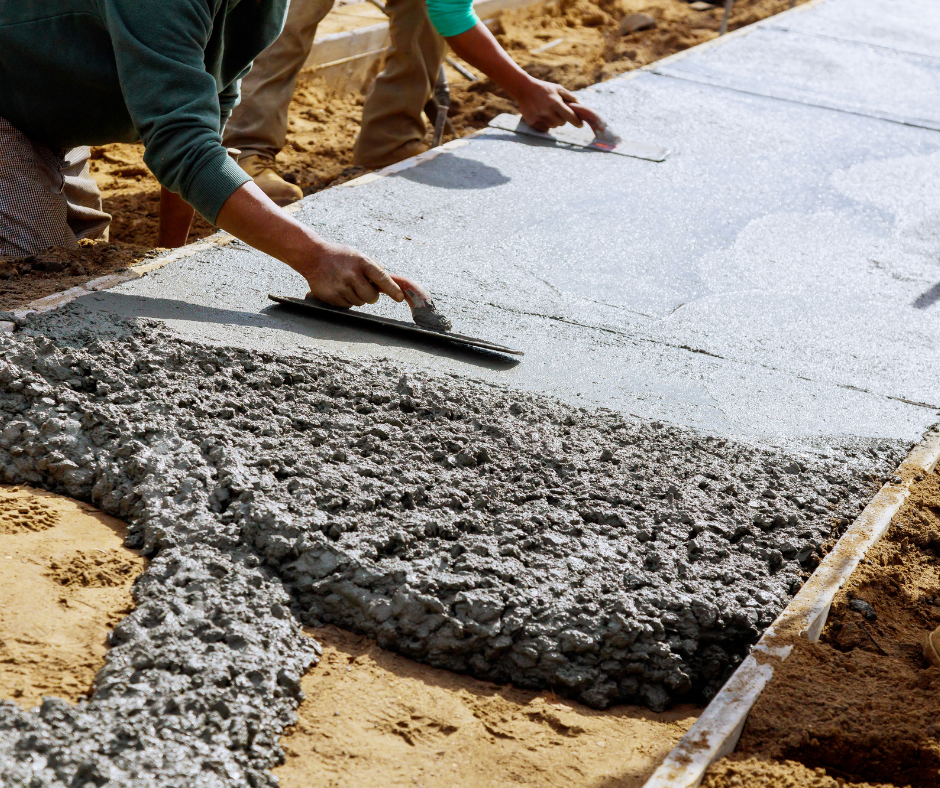
At West Valley Framing, we're your one-stop shop for building a strong and beautiful home in West Valley City. Our expertise goes beyond just framing – we're also concrete specialists! From laying the foundation to crafting beautiful patios and repairing existing concrete, we offer a comprehensive range of concrete services to ensure your home stands strong for years to come.
West Valley's Concrete Challenges:
West Valley's climate presents unique challenges for concrete. Hot summers and occasional freezing winters can cause cracks and deterioration. Here's how we address these concerns:
- Foundation Strength: We use high-quality concrete mixes designed for durability and crack resistance, ensuring a solid base for your home.
- Expert Flatwork: Our skilled team creates beautiful patios, walkways, and driveways using proper techniques for drainage and expansion joints, minimizing the risk of cracking due to temperature fluctuations.
- Concrete Repair Done Right: We don't shy away from existing concrete issues! Our team can diagnose cracks, identify the cause, and recommend the most effective repair solution, whether it's simple patching or structural reinforcement.
Concrete Solutions for Every Need:
We offer a variety of concrete services to enhance your West Valley property:
- New Concrete Slabs: From foundations to patios, we handle all aspects of concrete slab creation, ensuring proper site preparation, leveling, and pouring techniques.
- Driveway and Sidewalk Installation: We create durable and aesthetically pleasing driveways and sidewalks that complement your home's style and withstand West Valley's weather.
- Concrete Repairs: Got cracks, chips, or uneven concrete? We can assess the damage and provide a tailored repair plan, from simple patching to major structural fixes.
- Decorative Concrete Options: Want a touch of elegance? We offer decorative concrete finishes like stamping and staining to personalize your patios and walkways.
West Valley Tough Concrete: Built to Last
At West Valley Framing, we understand the importance of using high-quality materials and employing the right techniques for long-lasting concrete. Our team is committed to delivering exceptional service and ensuring your concrete projects are built to withstand West Valley's unique climate.
Stay tuned for future posts! We'll delve deeper into specific concrete solutions, discuss maintenance tips for different concrete surfaces, and showcase inspiring examples of our work in West Valley.

At West Valley Framing, we're all about building strong, secure foundations – literally! And that includes concrete, a crucial element in everything from your home's foundation to your driveway. While concrete is incredibly durable, cracks can appear over time. As concrete experts, we want to explain why these cracks shouldn't be ignored:
Understanding Concrete Cracks: Not All Cracks Are Created Equal
We are concrete specialist at West Valley Framing, and here's the thing about cracks – they're not always a cause for immediate alarm. Hairline cracks, typically less than ¼ inch wide, are often cosmetic and may not pose a structural threat.
However, bigger cracks or those with specific characteristics can be a red flag:
- Size Matters: Cracks wider than ¼ inch or those with significant depth can indicate underlying issues with the concrete slab's stability.
- Movement Matters: Cracks that seem to be growing or exhibit vertical displacement (meaning the sides of the crack are no longer level) are more concerning.
- Location Matters: Cracks near your home's foundation, around doorways, or in areas with high water exposure require closer attention.
Why Concrete Cracks Are Bad: Beyond the Aesthetics
While small cracks might not be structurally problematic, they can lead to bigger issues down the road:
- Water Infiltration: Cracks act as entry points for water, which can seep into the concrete and cause further deterioration. In colder climates like West Valley, freezing water can expand cracks and worsen the damage.
- Foundation Problems: Cracks in your foundation can compromise the structural integrity of your home, leading to uneven floors, door and window misalignment, and more serious problems.
- Mold Growth: Water infiltration through cracks can create a hospitable environment for mold growth, posing health risks for your family.
Don't Crack Under Pressure: Call the Experts
If you notice concerning cracks in your concrete, don't wait for the problem to worsen. Here at West Valley Framing, our team of concrete specialists can:
- Diagnose the Cause: We'll assess the crack's size, location, and movement pattern to identify the root cause.
- Recommend Solutions: Depending on the severity, we might suggest simple patching, crack injection, or even structural reinforcement.
- Prevent Future Issues: We'll offer maintenance tips to minimize the risk of future cracking, like proper drainage around your concrete surfaces and reapplying concrete sealer when necessary.
Remember: Early detection and repair of concrete cracks can save you money and headaches down the road. At West Valley Framing, we're here to help you maintain a strong and secure foundation for your West Valley home.
In future posts, we'll delve deeper into specific concrete crack repair techniques and offer tips for identifying different types of cracks.
Author
A professional framer, with a passion for helping others preserve and shows their cherished work. With years of experience in the framing industry, I enjoy sharing expert tips and tricks.